
Yes, beard balm works as a styling tool, not just a moisturizer, and it earns its place for medium-to-long beards especially. Match hold to length: light for short beards, medium for mid-length, strong for long or thick growth. Warm a pea to nickel-sized amount between your palms, work it through from skin to tip, then comb or brush it into shape.
TL;DR:
- Medium to long beards benefit most from a layered routine of beard oil followed by balm, especially for shaping and reducing frizz.
- Choose a balm with a hold level matching your beard length and desired control: light for short beards, medium for mid-length, and strong for thick or long beards.
- Proper application involves warming the balm, applying it to damp or towel-dried hair from root to tip, and using a brush or comb for even distribution.
- Ingredient transparency is key; look for natural components like shea butter, beeswax, and carrier oils, and avoid heavy silicones or synthetic dyes.
- Overusing product or skipping oil before balm leads to greasy, stiff-looking beards, so stick to recommended amounts and layering for best results.
Table of Contents
- What Beard Balm Does for Styling
- How to Choose a Beard Balm for Styling
- How to Apply Beard Balm for Styling
- Beard Balm vs Beard Oil vs Wax: What Each One Actually Does
- Feared Beard: Formulations Built for These Styling Needs
- Common Mistakes to Avoid When Styling With Beard Balm
- A Straightforward Take on Styling With Balm
- Start With the Right Tin, Not a Guessing Game
- Sources
What Beard Balm Does for Styling
Beard balm is a leave-in conditioner and a shaping product in one tin. The formula usually leans on beeswax for structure, butters like shea or cocoa for softness, and carrier oils such as jojoba or argan for slip and shine. Together they seal in moisture while giving you enough grip to hold hair where you put it.
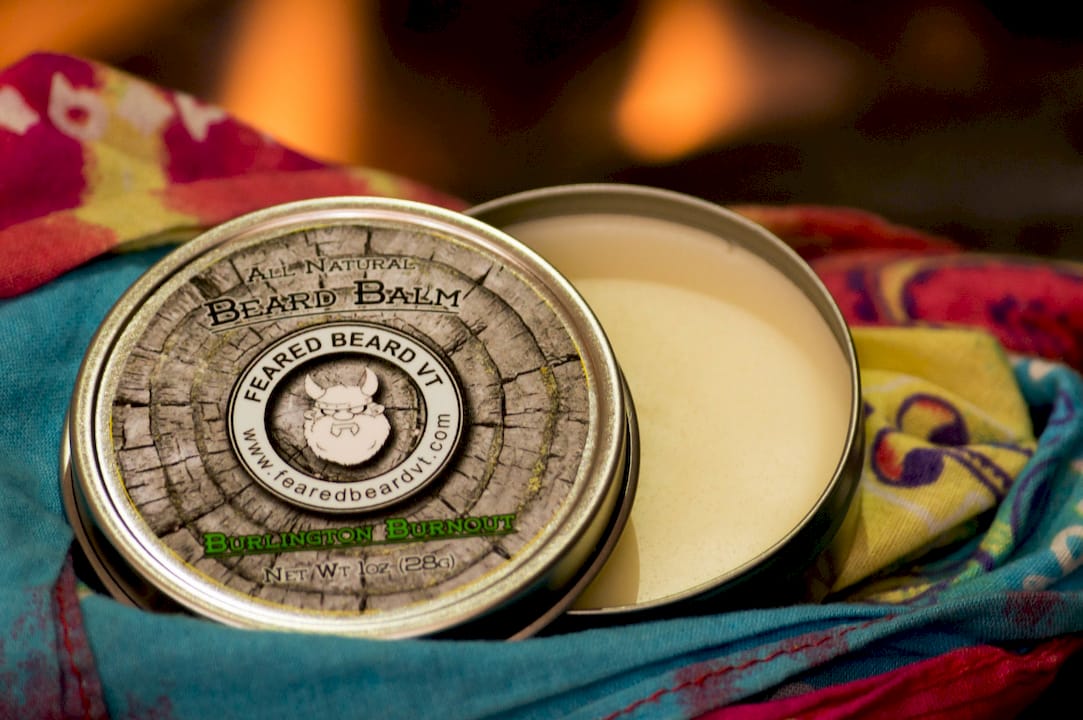
That combination is what separates balm from a straight beard oil. Barbers typically treat oil as the moisturizing step and balm as the styling agent, applied on top to lock things into place. The wax content gives balm its light-to-medium hold, strong enough to tame flyaways and shape the edges of your beard without the stiff, crunchy feel you get from heavy pomades or gels.
Practically, that means balm handles the jobs oil can't:
- Taming flyaway hairs that stick out at odd angles
- Shaping the beard's outer edge for a cleaner line
- Adding a light sheen without weighing hair down
- Reducing frizz on humid days or after towel drying
- Keeping the beard supple through a full workday
The mechanism matters more than most guys realize. Balm doesn't grow hair or repair damage on its own. It traps the hydration delivered by an oil or conditioner applied first, which keep strands supple and less prone to breaking while you style. Skip that earlier step and even a good balm has less moisture to lock in, so the styling hold won't last as long.
Balm tends to outperform oil alone once your beard passes the one-inch mark, where gravity and frizz start working against you. Below that length, a lighter touch, sometimes oil alone, is often enough.
How to Choose a Beard Balm for Styling
Picking the right balm comes down to four decisions: hold level, texture, ingredients, and scent. Get those right and the tin in your bathroom will actually match what your beard needs instead of sitting half used on a shelf.
1. Match hold to beard length. Light hold suits short beards and stubble, adding softness and a bit of shine without noticeable stiffness. Medium hold works for most mid-length beards, giving enough structure to shape without feeling glued down. Strong hold is built for long or thick beards that need real control against frizz and flyaways, especially if you're sculpting a defined shape.

2. Consider texture separately from hold. Some balms are formulated as soft, whipped salves that melt on contact and behave more like a rich leave-in conditioner with mild shaping power. Others come as firmer, waxier pucks that need real warming between your palms before they spread. Softer textures suit guys who want hydration first and shape second. Waxier textures suit guys chasing a defined, sculpted look.
3. Check the ingredient list before you check the price. Look for shea butter, cocoa butter, beeswax, and carrier oils like jojoba, argan, or sweet almond. These deliver the hydration and hold without clogging pores. Flag products loaded with parabens, heavy silicones, or synthetic dyes. They can build up on hair over repeated use and irritate sensitive skin underneath the beard.
4. Pick a scent that won't fight your cologne. Reviewers consistently point out that scent preference is personal, but if you wear fragrance regularly, a neutral or lightly scented balm avoids clashing notes. If you have sensitive skin, look specifically for balms labeled fragrance-free or formulated for sensitive skin.
5. Read the tin, not just the marketing copy. Declared hold level, net weight, and a visible ingredient list are the practical signals worth checking before buying. A 2-ounce tin with vague "styling wax" language on the label tells you less than one that spells out beeswax percentage and carrier oil blend.
Pro Tip: If you're between two hold levels, size down. It's easier to layer a second pass of balm for more hold than to fix a beard that feels stiff and overworked from too much product.
How to Apply Beard Balm for Styling
Application technique matters as much as the product itself. The same balm can look polished or greasy depending on how you use it.
1. Apply after washing and towel drying, or right after oil. Damp hair (not soaking wet) absorbs product more evenly, and applying balm over oil lets the wax seal in the hydration oil just delivered.
2. Warm the balm before it touches your beard. Scoop out your amount and rub it between your palms for 10 to 15 seconds until it turns from solid to a workable, slightly melted texture.
3. Scale the amount to your length. A pea-sized amount covers stubble to short beards. Move up to a dime-sized amount for mid-length growth. Long or thick beards typically need a nickel-sized scoop to reach the skin underneath and coat every strand.
4. Work from skin to tip. Start at the roots near your jawline and cheeks, then pull the balm outward and downward to distribute it evenly rather than concentrating it on the surface.
5. Finish with a tool, not just your fingers. A boar-bristle brush distributes balm evenly and trains hair direction, while a wide-tooth comb is better for defining a sharp edge or part. Fingers work in a pinch but leave more product unevenly clumped near the surface.
Tools worth keeping on hand:
- A boar-bristle brush for daily distribution and direction training
- A wide-tooth comb for shaping edges and lines
- A low-heat blow dryer, used briefly, to help set shape on thicker beards
If your beard looks greasy by midday, you're using too much product or applying it to hair that's still too wet. If you're seeing flakes, that's usually dry skin underneath, not the balm itself, and it means the oil step before balm needs more attention.
Beard Balm vs Beard Oil vs Wax: What Each One Actually Does
Oil moisturizes skin and hair with no real hold, wax delivers heavy, sculpting-level control, and balm sits between the two, offering light-to-medium hold along with conditioning. Knowing which job each product does keeps you from expecting one product to solve every problem.
- Beard oil: absorbs into skin and hair fast, softens strands, and adds shine, but provides essentially no styling hold.
- Beard balm: seals in moisture from oil, adds light-to-medium hold, and shapes flyaways and edges without stiffness.
- Beard wax: delivers the firmest hold of the three, built for sculpting a defined shape that needs to survive wind, humidity, or a full day without touch-ups.
Short beards and stubble usually do fine with oil alone. Mid-length beards benefit most from the oil-then-balm combination, which is the layering routine barbers recommend most often for balanced hydration and shape. Long or heavily styled beards sometimes need all three: oil for the skin, balm for overall shape, and a small amount of wax on stubborn sections like a mustache curl or a sharp jawline.
One product can't fully replace another once your styling goals get specific. Oil can't hold a shape. Wax alone, without oil or balm underneath, tends to sit on dry hair and looks stiff rather than styled.
Feared Beard: Formulations Built for These Styling Needs
Some beard balm makers make their balms in small batches from natural ingredients, and some provide full ingredient lists without vague "proprietary blend" language. That transparency matters when you're checking for the shea butter, beeswax, and carrier oils this guide flags as the ingredients worth seeking out.
The Frosted Woods Beard Balm leans on shea butter, making it a solid fit for guys with sensitive skin under the beard who still want medium hold and shape control. For a brighter scent profile without sacrificing the same natural formulation, Citrus Orchard Beard Balm covers guys who want a lighter, fresher fragrance that won't compete with cologne.
Quick fit guide based on what this article has covered:
- Sensitive skin, medium hold: Frosted Woods, shea butter base
- Fresh scent preference, medium hold: Citrus Orchard
- Full balm lineup: browse by hold and scent across the full catalog
- Fragrance-free or hypoallergenic needs: the all-natural balm formulated for sensitive skin
Common Mistakes to Avoid When Styling With Beard Balm
The most common mistake is skipping oil first and expecting balm to do both jobs. Balm seals moisture; it doesn't generate much on its own, so applying it to dry, unconditioned hair leaves you with a beard that looks matte and feels stiff by afternoon.
The second mistake is using too much product. A nickel-sized amount is the ceiling for even a long beard. Piling on more doesn't add hold, it just adds grease and weighs hair down in a way that looks unkempt rather than styled.
Skipping the brush or comb step is another common miss. Balm applied with fingers alone tends to clump near the surface instead of distributing evenly through the beard, which means some sections get styled while others get missed entirely.
Applying balm to soaking wet hair is a quieter mistake. Excess water dilutes the product and stops the wax from setting properly, so the hold you expect never fully forms. Damp, towel-dried hair is the sweet spot.
Last, guys often reach for the strongest hold balm available, assuming more is always better. A strong-hold formula on a short or thin beard usually looks stiff and unnatural. Match the hold to what your beard actually needs, not what sounds most impressive on the label.
A Straightforward Take on Styling With Balm
Most guys overthink this. The routine that actually works, day after day, is simple: oil first for the skin, a warmed dab of medium-hold balm worked from root to tip, then a boar-bristle brush to set direction. That combination handles the vast majority of styling situations without needing a rotating cabinet of products.
If you're new to balm, start with a medium-hold formula before committing to strong hold. It's easier to layer more product for extra control than to work around a beard that feels overloaded and stiff from day one. Texture and scent are genuinely personal choices, so don't assume the most expensive tin is the right one for your beard.
— Kyle
Start With the Right Tin, Not a Guessing Game
Some brands build balms in small batches with ingredients listed in full, allowing customers to know what ingredients seal moisture into their beards. This transparency can be an advantage over guessing which mass-produced tin matches hold and skin needs.

If sensitive skin is a concern, start with the Frosted Woods Beard Balm and its shea butter base for medium hold without irritation. Want a brighter, fresher scent profile instead? The Citrus Orchard Beard Balm delivers the same natural formulation with a different finish. For the full lineup organized by hold level, browse the beard balm collection, and pair your pick with a natural beard oil if you're building the complete oil-then-balm routine from scratch. Pick one tin, try the routine this guide laid out, and adjust hold level from there based on how your beard actually responds.
Sources
Readers who want more detail on the mechanics and barber-level guidance behind this routine can check the sources that informed it:
- The Best Beard Balms to Keep Your Scruff Looking Its Best — GQ
- 8 best beard products — The Strategist (NYMag)