
The most effective first-line beard dandruff treatment is a medicated antifungal shampoo with ketoconazole or pyrithione zinc used several times a week, paired with a gentle daily cleanser, weekly exfoliation, and beard oil to replace lost moisture. Many men see visible improvement within a few weeks. If flaking, redness, or itching persist despite consistent treatment, consult a dermatologist rather than keep guessing.
TL;DR:
- Using a medicated shampoo with ketoconazole or pyrithione zinc two to three times weekly is crucial for effectively reducing beard dandruff caused by Malassezia overgrowth.
- Exfoliating once or twice weekly before applying medicated shampoo ensures better contact with the skin and improves treatment results.
- Once symptoms improve, maintaining a routine that includes regular moisturizing and reduced medicated shampoo frequency prevents recurrence.
- Over-washing with harsh soap and heavy occlusives can worsen dandruff by stripping the skin’s natural barrier and trapping flakes.
- Seek dermatological advice if redness spreads, sores appear, or no improvement occurs after four weeks of consistent treatment.
Table of Contents
- What Causes Beard Dandruff Treatment to Actually Work?
- How Do You Treat Beard Dandruff Step by Step?
- How Do You Prevent Beard Dandruff From Coming Back?
- When Should You See a Dermatologist for Beard Dandruff?
- What Mistakes Make Beard Dandruff Worse?
- Where Grooming Meets Dermatology
- Keep Your Beard Hydrated Between Treatments
- Sources
- FAQ
What Causes Beard Dandruff Treatment to Actually Work?
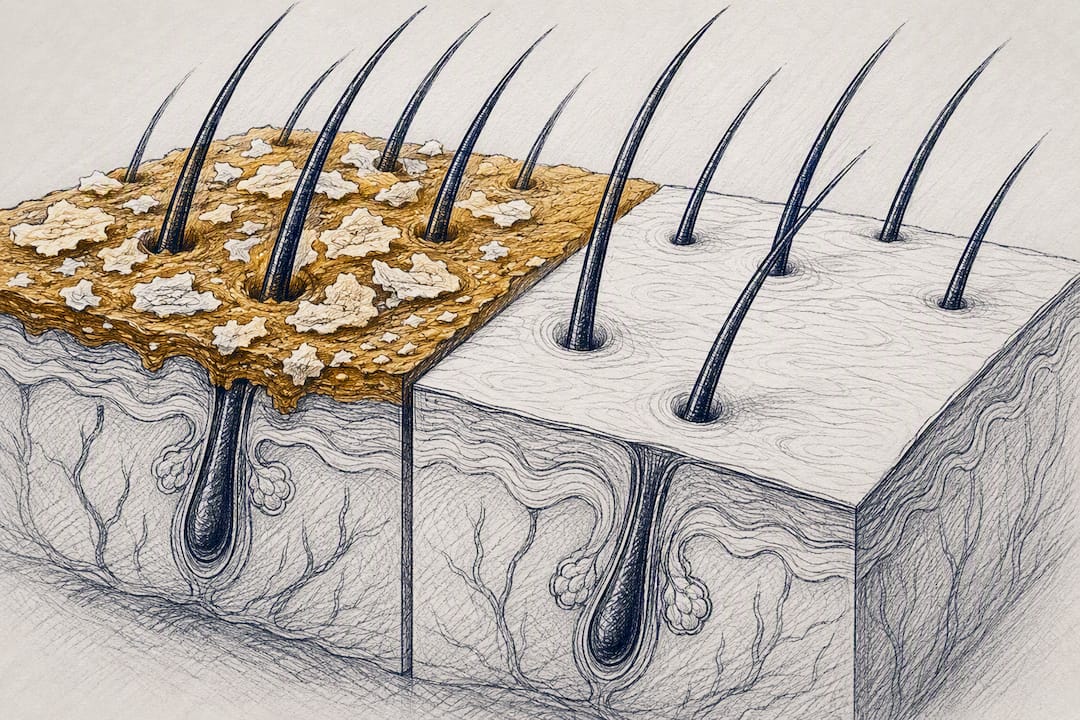
Beard dandruff is usually seborrheic dermatitis, a common skin condition tied to a yeast called Malassezia that lives on everyone's skin but overgrows in oily, warm environments. A beard creates exactly that kind of microclimate, trapping sebum and heat against the jaw and cheeks. That overgrowth triggers inflammation and flaking in the skin beneath the hair, which is why antifungal treatment, not just moisturizer, is the real fix.
Several everyday habits make it worse:
- Excess oil production, especially in warmer months or with hormonal changes
- Harsh bar soaps or dish-soap-strength cleansers that strip the skin's natural barrier
- Cold, dry weather or indoor heating that pulls moisture from skin and hair
- Rubbing the beard dry with a towel instead of patting it
- Underlying skin conditions like psoriasis or atopic dermatitis that mimic or worsen flaking
There's a trap a lot of men fall into here. Over-washing with harsh soap feels like the responsible move, but it strips oil so aggressively that skin overcorrects and produces even more sebum, feeding the yeast that caused the problem in the first place.
How Do You Treat Beard Dandruff Step by Step?
This is the order dermatology guidance and grooming practice both point to, and the sequence matters as much as the products.
- Exfoliate first. Use a soft-bristle beard brush or a gentle scrub about once or twice per week to lift dead skin before anything else touches your face. Guys with sensitive or acne-prone skin should scale back to once weekly. Exfoliating before cleansing clears the way for medicated ingredients to actually reach the skin instead of sitting on top of flakes.
- Cleanse on non-medicated days. A gentle, hydrating beard wash keeps skin clean without the stripping effect of regular soap. The American Academy of Dermatology specifically recommends this kind of gentle daily cleansing to protect the skin barrier.
- Apply medicated shampoo several times per week. Look for ketoconazole 1%, pyrithione zinc, or selenium sulfide. These are the active ingredients with the strongest evidence for seborrheic dermatitis. Massage it into dry skin at the base of the beard, not just the hair surface, and let it sit for a few minutes before rinsing. That contact time is what actually kills the yeast overgrowth, and patient guidance from dermatology sources backs the wait rather than a quick rinse.
- Moisturize the beard and underlying skin after rinsing to lock in hydration. Pat the beard dry, then work a few drops of beard oil into damp skin and hair to lock in hydration. Skip heavy, greasy balms if you're acne-prone.
- Groom to finish. Brush daily to distribute oil evenly and prevent buildup at the roots, and trim regularly since longer, denser beards trap more heat and flakes.
Pro Tip: Apply your medicated shampoo at the sink, then walk away and brush your teeth or lay out your clothes for two minutes. That's roughly the leave-on time you need, and you won't stand there watching the clock.
Once symptoms calm down, this isn't a routine you keep running at full intensity forever. It's a launch sequence, not a permanent schedule.
How Do You Prevent Beard Dandruff From Coming Back?
Maintenance is where most men either lock in results or slide right back to square one. Once flaking clears, step down medicated shampoo to once weekly or purely as-needed, while keeping the gentle daily cleanse in rotation.
- Apply beard oil or balm regularly to maintain skin moisture, since consistency prevents the barrier damage that invites yeast back
- Consider using a richer balm in cold, dry weather when indoor heat and wind pull moisture out fast
- Prioritize sleep and manage stress, since dermatology reviews link flares of seborrheic dermatitis to stress and seasonal shifts
- Cut back medicated shampoo frequency if skin gets dry or tight, and increase it slightly if your skin runs oily
Think of the medicated shampoo as the fire extinguisher and the daily oil routine as fire prevention. You don't need to keep spraying once the fire is out, but you also don't stop checking the smoke detector.
When Should You See a Dermatologist for Beard Dandruff?
Self-care handles most cases, but certain signs mean it's time to stop experimenting and get an actual diagnosis.
- Redness spreading beyond the beard line onto the neck or hairline
- Pustules, open sores, or skin that feels hot to the touch
- No improvement after two to four weeks of consistent medicated shampoo use
- Flaking severe enough to affect sleep, confidence, or daily comfort
A dermatologist may prescribe stronger antifungals or a short course of a low-potency topical corticosteroid to calm inflammation fast, though these steroids aren't meant for ongoing facial use. They may also check for psoriasis or eczema, since both can look nearly identical to seborrheic dermatitis. Bring photos of the flare-ups, a rough timeline of when it started, and a list of every product you've tried. That saves a visit's worth of back-and-forth guessing.
What Mistakes Make Beard Dandruff Worse?
A few habits quietly sabotage even a solid routine. Heavy occlusives like petroleum jelly feel soothing but trap flakes against the skin instead of lifting them, which lets the yeast keep feeding underneath.
Always patch-test a new product on your inner arm before rubbing it into your beard for a week straight. Limit topical steroids to the short courses a doctor recommends. Longer use on facial skin can thin it or cause rebound flare-ups. If you're prone to breakouts, favor non-comedogenic carrier oils like jojoba or argan over heavier, pore-clogging bases. The Feared Beard VT ingredients page breaks down which carriers fit which skin types. Finally, when you grow out or trim down your beard, adjust your routine. A longer beard traps more heat and needs more frequent exfoliation, while a shorter one needs less product overall.
Where Grooming Meets Dermatology
Most guys treat beard dandruff like a cosmetic annoyance instead of the mild skin condition it actually is. That's the gap worth closing. The medicated shampoo does the clinical heavy lifting, but the daily habits around it, gentle cleansing, consistent hydration, and proper drying, determine whether results stick or fade in a month.
The brand builds its beard oils and balms around that maintenance half of the equation: natural formulations meant to replace moisture without clogging pores or trapping flakes the way heavier commercial products can. Applied right after rinsing, in small amounts, natural oils fit cleanly into a dermatology-backed routine rather than competing with it. Combining a real antifungal step with proper hydration isn't overkill. It's the difference between managing symptoms and actually fixing the underlying skin issue.
— Kyle
Keep Your Beard Hydrated Between Treatments
Medicated shampoo handles the yeast. What happens after rinsing determines whether your skin bounces back or dries out and starts the whole cycle over again. There are beard oils and balms designed for exactly that gap in the routine, hydration without heavy, pore-clogging fillers.

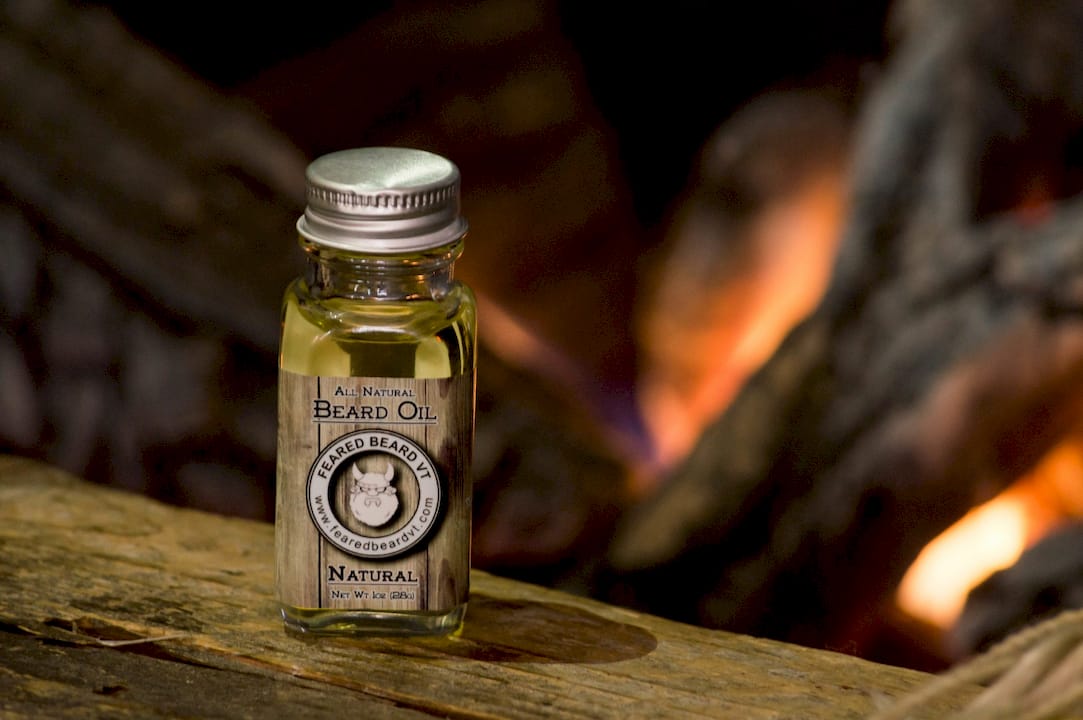
For the nightly moisturizing step, a few drops of the Natural Beard Oil worked into damp skin absorb fast without leaving residue behind. If you want more conditioning hold, especially for coarser or longer beards, the All-Natural Beard Balm is formulated for sensitive skin and skips the heavy occlusives that trap flakes. Both are made in small batches with ingredients you can actually pronounce. Browse the full beard oil selection and pick a scent, then work it into your post-shower routine tonight.
Sources
The treatment steps above draw on peer-reviewed dermatology research alongside patient-facing guidance from the American Academy of Dermatology and the National Eczema Association. Studies on Malassezia and seborrheic dermatitis and antifungal treatment efficacy informed the ingredient recommendations throughout.
This article is general information, not a substitute for advice from a qualified doctor. Consult a qualified healthcare professional about your own circumstances before acting on anything here.
- PMCID: PMC3129121
- PMCID: PMC4069738
- PMCID: PMC2923939
- American Academy of Dermatology — skin-care routine guidance
FAQ
What Is the Best Beard Dandruff Treatment?
A medicated shampoo containing ketoconazole 1%, pyrithione zinc, or selenium sulfide, used two to three times weekly and left on for three to five minutes, is the most effective first-line option. Follow it with beard oil to restore moisture.
How Long Does It Take to Get Rid of Beard Dandruff?
Many men notice visibly reduced flaking after a few weeks of consistent medicated shampoo use. If there's no improvement after four weeks, see a dermatologist to rule out other skin conditions.
Does Tea Tree Oil Help Beard Dandruff?
Tea tree oil has mild antifungal properties and some men use it in beard oil blends as a supportive step, but it isn't a substitute for a medicated antifungal shampoo when flaking is active.
Can I Use Regular Shampoo Instead of Dandruff Shampoo on My Beard?
Regular shampoo often strips natural oils and can trigger rebound oil production that worsens flaking. Save medicated shampoo for two to three uses weekly and use a gentle, hydrating cleanser like those found in the Feared Beard VT lineup on the days between.
Is Beard Dandruff the Same as Regular Scalp Dandruff?
Both are usually driven by the same Malassezia yeast and respond to similar antifungal ingredients, but beard skin tends to be more sensitive to harsh products and needs gentler daily care around the medicated treatment.