
Relieve most beard itch in minutes by simplifying your routine: gentle cleanse, pat dry, then apply a light, fragrance-free moisturizer or a jojoba- or argan-based beard oil that actually reaches the skin. Stop using fragranced washes, alcohol-heavy tonics, and hot showers, all of which strip the natural oils your skin needs. If you notice pain, pus, spreading redness, or itch that lingers past two to four weeks, stop self-treating and see a clinician.
TL;DR:
- Regularly applying a fragrance-free moisturizer or jojoba- or argan-based beard oil directly to the skin helps address dryness and prevents persistent itch.
- Avoid harsh products like fragranced washes, alcohol-heavy tonics, and hot showers that strip natural oils and worsen skin irritation.
- Be mindful of seasonal changes, using richer oils in winter and lighter products in summer to counteract environmental effects on skin hydration.
- If symptoms such as pus, spreading redness, or pain persist beyond four weeks or worsen, seek medical advice to rule out infections or skin conditions.
- Introducing new products gradually with patch testing and maintaining good hygiene of grooming tools can prevent contact dermatitis and reintroduction of irritants.
Table of Contents
- What Causes Beard Itch in the First Place?
- How to Stop Beard Itch: A Simple Daily Routine
- Beard Oil for Itch: Which Products Actually Help
- When Beard Itch Is Medical: Symptoms and Treatment
- Why Skin Barrier Care Is the Real Fix
- Hydration, Nutrition, and Your Skin
- How the Seasons Change Your Beard Itch
- A Realistic Take on Beard Itch Relief
- Where Feared Beard VT Fits Into Your Routine
- Sources
- FAQ
What Causes Beard Itch in the First Place?
Beard itch almost always starts at the skin, not the hair. Dry skin, or xerosis, gets worse in cold weather and overheated indoor air, both of which pull moisture out of the skin faster than your body can replace it.
New growth is its own category of irritation. Stubble pokes through the skin at odd angles for the first few weeks, and that mechanical friction reads as itch even when nothing is medically wrong. Letting the beard grow past that awkward stubble stage, typically three to four weeks, often resolves the irritation on its own, according to Healthline.
Beyond dryness and new growth, a few specific conditions drive most persistent cases:
- Ingrown hairs and pseudofolliculitis barbae, common in curlier facial hair, where a hair curls back into the skin instead of growing out.
- Seborrheic dermatitis, essentially dandruff that has spread from the scalp into the beard, causing flaking and itch along the jawline and cheeks.
- Folliculitis or tinea barbae, bacterial or fungal infections of the hair follicles that cause redness, bumps, or pain.
- Contact dermatitis, a reaction to fragrance, harsh surfactants, or debris and sweat trapped against the skin all day.
Matching your symptoms to one of these categories tells you whether a routine fix will work or whether you need a targeted product.
How to Stop Beard Itch: A Simple Daily Routine
Most nonmedical beard itch responds to a routine you can start tonight. The goal is simple: clean the skin without stripping it, then seal in moisture before the itch sets in.
- Wash with lukewarm water and a gentle, fragrance-free cleanser. Skip the scalp shampoo. Those formulas are built for a different pH and often leave beard skin drier than it was before you washed it, according to Healthline. Wash every other day rather than daily unless you are visibly sweaty or dirty.
- Brush gently before you wash. A soft-bristle beard brush lifts flakes and loosens debris so your cleanser and moisturizer can actually reach the skin instead of sitting on top of dead skin cells. Vigorous scrubbing does the opposite and inflames follicles that are already irritated.
- Pat dry, never rub. Rubbing a towel against irritated skin reintroduces the friction you're trying to eliminate.
- Apply a light oil or moisturizer directly to the skin under the beard, not just the hair. Dermatologists consistently point to this step as the one people skip, and skipping it is why so many oils "don't work." The product has to reach the skin barrier to calm it, according to Cleveland Clinic.
- Introduce one new product at a time, and patch-test anything new on your inner forearm for 24 hours before putting it on your face. If a product worsens redness or itch, stop using it immediately.
- Trim regularly instead of shaving too close if ingrown hairs are a recurring issue. A close shave against the grain is the single biggest driver of pseudofolliculitis in curlier beards.
Expect stubble-related irritation to calm down within a few weeks as the hair grows past that itchy transition stage. If itch is still flaring after a full month of consistent care, that's a signal to look past routine and consider a medical cause.
Pro Tip: Clean your beard tools as often as you clean your face. A trimmer blade or brush caked with old product and skin cells reintroduces the exact irritants you just washed off.
Beard Oil for Itch: Which Products Actually Help
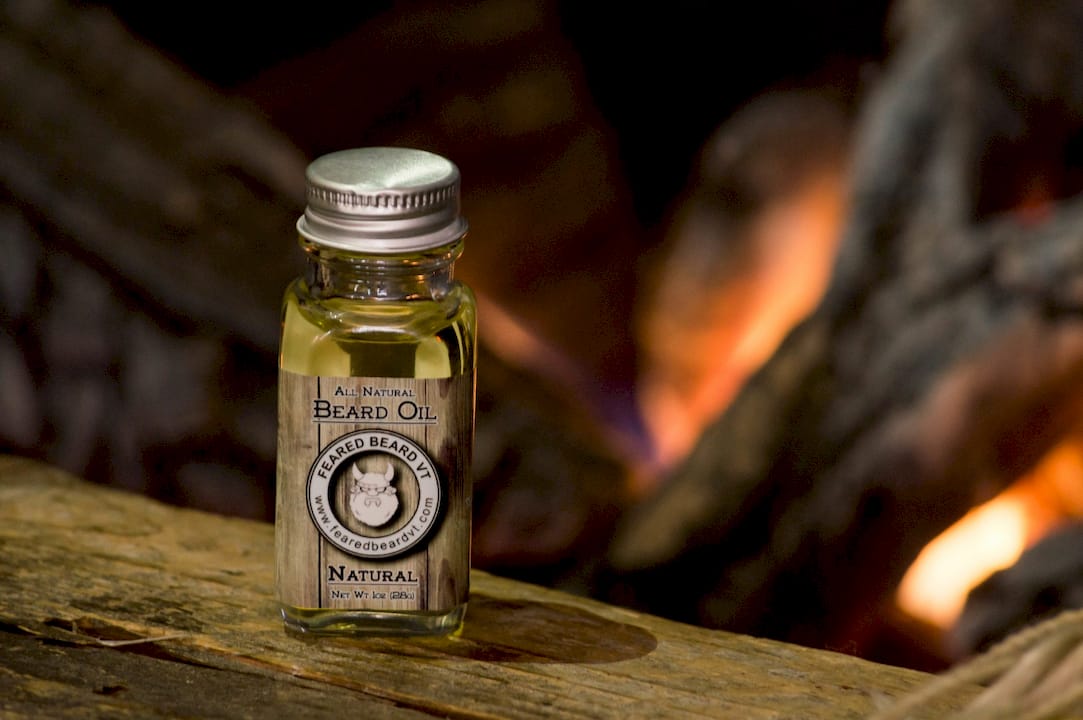
Beard oil, balm, and moisturizer aren't interchangeable, even though they get lumped together in most grooming advice. Beard oil is the thinnest of the three and best for daily hydration that penetrates the skin. Balm carries more wax and butter, which makes it better for styling and holding shape but slower to absorb. A fragrance-free facial moisturizer works well underneath either one on nights when your skin feels tight or flaky.
Ingredient choice matters more than brand loyalty here. Look for:
- Jojoba oil, which closely mimics natural sebum and absorbs without a heavy residue.
- Argan oil, rich in fatty acids that soften coarse hair while calming dry skin.
- Glycerin, a humectant that pulls moisture into the skin rather than just sitting on the surface.
- Ceramides, which help rebuild a compromised skin barrier over time.
Both jojoba and argan are favored in beard care specifically because they resemble the skin's own oils closely enough to hydrate without clogging pores when formulated correctly, per Healthline.
On the avoid list: added fragrance, denatured alcohol, and some essential oils in high concentrations, all common triggers for contact dermatitis in sensitive skin. Heavy, comedogenic carrier oils (some mineral oil blends fall here) can also trap debris against the skin instead of letting it breathe. If you're dealing with diagnosed seborrheic dermatitis, an over-the-counter ketoconazole wash is a reasonable next step, but anything stronger, including antibiotics or prescription antifungals, should come from a clinician, not a guess.
When Beard Itch Is Medical: Symptoms and Treatment
Ordinary dryness and irritant dermatitis feel like tightness, mild flaking, and itch that improves within days of better skin care. Medical causes tend to announce themselves differently: bumps that fill with pus, patches of hair loss, spreading redness, or pain that gets worse instead of better.
The American Academy of Dermatology outlines a few conditions worth knowing by name:
- Seborrheic dermatitis causes yellowish, greasy-looking flakes and itch concentrated near the jawline and cheeks.
- Folliculitis shows up as small red or white bumps centered on individual hair follicles, often from bacteria.
- Tinea barbae is a fungal infection that can cause crusting, broken hairs, and patchy hair loss.
- Contact dermatitis flares within hours of using a new product and usually improves once that product is removed.
Watch for red flags that mean it's time to stop self-treating: pain, visible pus, fever, redness that keeps spreading beyond the original area, hair loss, or any of the above lasting more than two to four weeks despite a clean routine, according to guidance summarized by Healthline. Clinicians typically treat fungal infections like tinea barbae with topical or oral antifungals, bacterial folliculitis with mupirocin or oral antibiotics, and acute inflammation with a short course of topical steroids under supervision. Chronic or recurring cases sometimes lead to referral for procedures such as laser hair removal or, rarely, incision and drainage for a deep, infected cyst, per clinical guidance from Acibadem.
Why Skin Barrier Care Is the Real Fix
Dermatologists at Cleveland Clinic and the American Academy of Dermatology point to the same root idea from different angles: beard itch is a skin problem wearing a hair disguise. The skin underneath the beard produces oil, sheds dead cells, and reacts to irritants exactly like the rest of your face, but it's harder to reach and easier to neglect.
The most common mistake in beard care isn't product choice. It's treating the hair and ignoring the skin underneath it, which is where the itch actually starts.
That's the thinking behind a careful approach to beard care: small-batch beard oils and balms built around jojoba and argan oil, chosen because they're close enough to natural sebum to absorb into the skin rather than sit on top of the hair. There are also unscented, sensitive-skin formulas available for those whose itch traces back to fragrance sensitivity rather than dryness alone.
Hydration, Nutrition, and Your Skin
Skin health starts inside the body, not just at the sink. Dehydration shows up on the skin as tightness, flaking, and a duller, rougher texture, all conditions that make itch worse and slower to resolve, even with a good topical routine.
Water intake affects skin elasticity and barrier function, but diet plays a role too. Diets low in essential fatty acids tend to correlate with drier, more reactive skin, since those fats are a building block for the lipids that keep moisture locked in. Omega-3 sources like fatty fish, walnuts, and flaxseed support the same skin barrier that beard oil is trying to reinforce from the outside.
Biotin and zinc get a lot of attention in beard-growth marketing, and while a genuine deficiency in either can affect skin and hair quality, most people eating a varied diet aren't running short. Supplementing without a documented deficiency rarely moves the needle on itch. The more reliable lever is consistency: enough water, a diet that includes healthy fats, and sleep, since skin repair happens disproportionately overnight.
Think of nutrition as the foundation and topical care as the finish work. A great beard oil applied to chronically dehydrated, nutrient-starved skin will still underperform compared to the same product on skin that's already getting what it needs from the inside.

How the Seasons Change Your Beard Itch
Your beard itch routine shouldn't stay static all year, because the environment attacking your skin barrier changes with the seasons. Winter is the harshest stretch for most people: cold outdoor air holds less moisture, and indoor heating systems dry it out further, creating a one-two punch that leaves beard skin flaking and tight by January.
Summer brings a different problem. Heat and humidity increase sweating, and sweat trapped against the skin under a beard creates a warm, damp environment where bacteria and fungi thrive, raising the risk of folliculitis and contact irritation from sunscreen or sweat-triggered breakouts.
Adjust your product weight seasonally rather than sticking with one formula year-round. Lean into a richer oil or add a fragrance-free moisturizer underneath during cold, dry months. In summer, wash more frequently to clear sweat and switch to a lighter oil so you're not adding extra grease to already oily, humid skin. Spring and fall, the transitional seasons, are when a lot of people notice sudden itch flares simply because they haven't adjusted their routine to match the shifting air. A quick seasonal check twice a year, one product swap in October and another in April, prevents most of that drift before it becomes a problem.
A Realistic Take on Beard Itch Relief
Most beard itch is boring and fixable: dry skin and a routine that never touches the skin at all. Give a consistent routine two to four weeks before judging it, and always patch-test a new natural product before committing your whole face to it. If something looks infected, don't wait it out. See a clinician.
— Kyle
Where Feared Beard VT Fits Into Your Routine
Once your cleanse-and-dry routine is dialed in, the moisturize step is where most people either fix their itch for good or quietly sabotage it with the wrong product. A natural beard oil built on jojoba and argan does the job that thick, fragranced balms often can't: it soaks into the skin under the beard instead of just coating the hair, which is exactly the step dermatologists flag as most commonly skipped.

Feared Beard VT makes its beard oils and beard balms in small batches with 100% natural ingredients, including unscented options built for sensitive or reactive skin. Every formula is worth patch-testing on your forearm first, the same rule that applies to any new product touching irritated skin. If your beard is due for a moisture upgrade, start with a travel-size oil, check how your skin responds over a few days, and build your routine from there on the Feared Beard VT shop.
Sources
This article is general information, not a substitute for advice from a qualified doctor. Consult a qualified healthcare professional about your own circumstances before acting on anything here.
FAQ
What can I put on my beard to make it stop itching?
Apply a light, fragrance-free moisturizer or a jojoba or argan based beard oil directly to the skin underneath the beard, not just the hair itself, right after a gentle cleanse and pat dry.
Why is my beard so itchy all of a sudden?
Sudden itch usually traces back to dry skin from weather changes, a new grooming product causing contact dermatitis, or new stubble growth irritating the skin as hairs push through.
How long does it take for beard itch to go away?
Stubble-related irritation typically settles within three to four weeks as hair grows past the initial itchy stage, while dryness-related itch often improves within days of a consistent gentle routine.
What is the best cream for beard itch?
A fragrance-free, petroleum-free, non-comedogenic moisturizer works well for most dry-skin itch, while a jojoba or argan based beard oil, like those from Feared Beard VT, is better suited to daily hydration that reaches the skin without clogging follicles.