
Ingrown beard hairs happen when a shaved or cut whisker curls back and reenters the skin, triggering the inflammation known clinically as pseudofolliculitis barbae. Men with tightly curled facial hair face the highest risk. The first move is simple: stop shaving as close to the skin as you have been, apply a warm compress to the irritated area, and leave the bumps alone. Squeezing or picking almost always makes things worse.
TL;DR:
- Using a single-blade razor or electric clippers set to leave some length reduces the risk of sharp, curling hair tips that cause ingrown hairs.
- Applying a warm compress and gentle exfoliation twice daily can help trapped hairs work their way to the surface and reduce inflammation.
- Avoid squeezing or picking at bumps, as this can push hair deeper and increase scar tissue risk, and only lift visible hairs with a sterilized needle if appropriate.
- Medical treatments like topical retinoids, benzoyl peroxide, or antibiotics are recommended when home care fails, with laser removal as a longer-term option for persistent cases.
- Growing a beard out above a quarter inch is the most effective prevention, especially if shaving must continue, by removing the sharp tips that lead to ingrown hairs.
Table of Contents
- What Causes Ingrown Beard Hairs in the First Place
- Recognizing an Ingrown Hair vs. Something Else
- Safe At-Home Treatment That Actually Works
- What Medical Treatment Looks Like When Home Care Isn't Enough
- A Grooming Routine That Actually Prevents Recurrence
- When It's Time to See a Doctor
- An Editorial Take on Grooming's Role in Prevention
- Where Natural Beard Care Fits Into Prevention
- Sources
- FAQ
What Causes Ingrown Beard Hairs in the First Place
Two mechanisms are at work, and dermatologists split them into extrafollicular and transfollicular penetration. Extrafollicular penetration is the more common one: a shaved hair with a sharp, angled tip curves as it grows and pierces back into the surrounding skin instead of exiting straight up. Transfollicular penetration happens inside the follicle itself, where the coiled hair pierces its own follicle wall before it ever reaches the surface.
Curly and coarse hair is built to curve, so it is mechanically more likely to loop back into the skin once it is cut short. A 45% prevalence rate recorded in a study of 50 Black males in the U.S. military reflects exactly this. Shaving habits compound the risk:
- Pulling skin taut while shaving lets the blade cut hair below the skin's natural surface line
- Multi-blade cartridge razors cut hair in successive passes, tugging follicles upward and creating a hair tip that retracts into the follicle
- Shaving against the grain increases how sharply the hair tip is cut, raising the odds it will pierce skin as it regrows
- Frequent, very close shaves shorten the hair enough that its natural curl brings the tip back around before it clears the follicle opening
Recognizing an Ingrown Hair vs. Something Else
Most ingrown beard hairs show up as small, firm papules or pus-filled pustules on the neck, jawline, or cheeks, sometimes with a visible hair loop trapped just under the surface. Here is how to sort out what you are actually looking at:
- Ingrown hair or razor bump: a small, tender bump that appeared within a day or two of shaving, often with a curled hair visible at its center.
- Acne: bumps that show up regardless of shaving schedule, often clustered with blackheads or whiteheads elsewhere on the face.
- Folliculitis (infected): pustules that spread, feel hot, or come with fever or swollen lymph nodes. This needs medical attention, not a compress.
- Keloid or cyst: a firm, persistent lump that does not resolve after weeks and may keep growing. Chronic pseudofolliculitis barbae can leave behind postinflammatory hyperpigmentation, scarring, or keloids in cases that go untreated too long.
If redness spreads beyond the original bump, pain feels out of proportion to the lesion, or you develop fever or chills, that is your cue to see a clinician rather than wait it out.
Safe At-Home Treatment That Actually Works
Most ingrown hairs resolve on their own within days to a couple of weeks with the right care, according to Cleveland Clinic. Here is the sequence that works:
- Warm compress: hold a warm, damp washcloth against the area for 5 to 10 minutes, two or three times a day. Heat softens skin and can help a trapped hair work its way toward the surface on its own.
- Gentle exfoliation: after the compress, use a soft washcloth or a mild scrub in small circles. Skip anything abrasive, which irritates already inflamed follicles.
- Sterile-needle release, only when appropriate: if a hair loop is clearly visible just under a thin layer of skin, a sterilized needle can lift the loop free without pulling the hair out entirely. If you cannot see the loop clearly, stop. Digging blind is how scarring starts.
- Topical support: benzoyl peroxide can calm inflammation and reduce bacterial buildup, a combination Mayo Clinic lists among standard self-care options. Avoid harsh acne treatments like high-strength salicylic acid or prescription-strength retinoids without a clinician's guidance, since they can aggravate irritated skin further.
Pro Tip: Never squeeze an ingrown hair like a pimple. Squeezing pushes the curled hair deeper and tears surrounding tissue, which is exactly how a simple bump turns into a scar.
What Medical Treatment Looks Like When Home Care Isn't Enough
When self-care stalls, clinicians have a well-established toolkit. Topical options typically come first:
- Tretinoin or other topical retinoids to normalize how skin sheds and reduce hairs curling back under the surface
- Benzoyl peroxide or topical antibiotic creams to control secondary bacterial infection
- Short courses of low-potency topical steroids to calm active inflammation
For infected or widespread cases, oral antibiotics may be prescribed, and severe inflammatory flares sometimes call for a brief course of systemic steroids. When bumps keep recurring despite consistent care, laser hair removal or electrolysis can offer a longer-term solution by reducing how much hair grows back to curl and reenter skin. Both carry real risks, particularly dyspigmentation and scarring on darker skin tones, so they call for an experienced provider familiar with treating skin of color. Under medical care, most inflammatory symptoms ease within 4 to 6 weeks, with fuller improvement over one to six months.
A Grooming Routine That Actually Prevents Recurrence
Stopping close shaving is, according to the Merck Manual, the single most reliable way to prevent ingrown beard hairs. Growing your beard out even a quarter inch removes the sharp, close-cut tip that causes most of the trouble.
If shaving isn't optional for your job or your look, adjust technique instead:
- Switch to a single-blade razor or electric clippers set to leave a little length, rather than a multi-blade cartridge that cuts below the skin's surface
- Always shave with the grain, never against it, even if that means more passes
- Wet skin with warm water for a full minute before applying shaving cream, which softens hair and reduces drag
- Replace blades regularly. A dull blade drags and tugs instead of cutting cleanly, which raises irritation
- Brush your beard daily with a soft-bristle brush to train hair to grow in one consistent direction, a habit dermatology guidance regularly recommends for reducing new bumps
- Exfoliate the beard area two to three times a week, no more, since over-exfoliating strips skin's natural barrier
- Moisturize daily with a non-comedogenic oil or balm to keep skin flexible and reduce friction between hair and follicle
For men who need hair removal without shaving, depilatory creams offer an alternative, though they can irritate sensitive skin and require patch testing first. Professional laser treatment remains the most durable option for chronic cases, provided the provider has experience working with your skin tone.
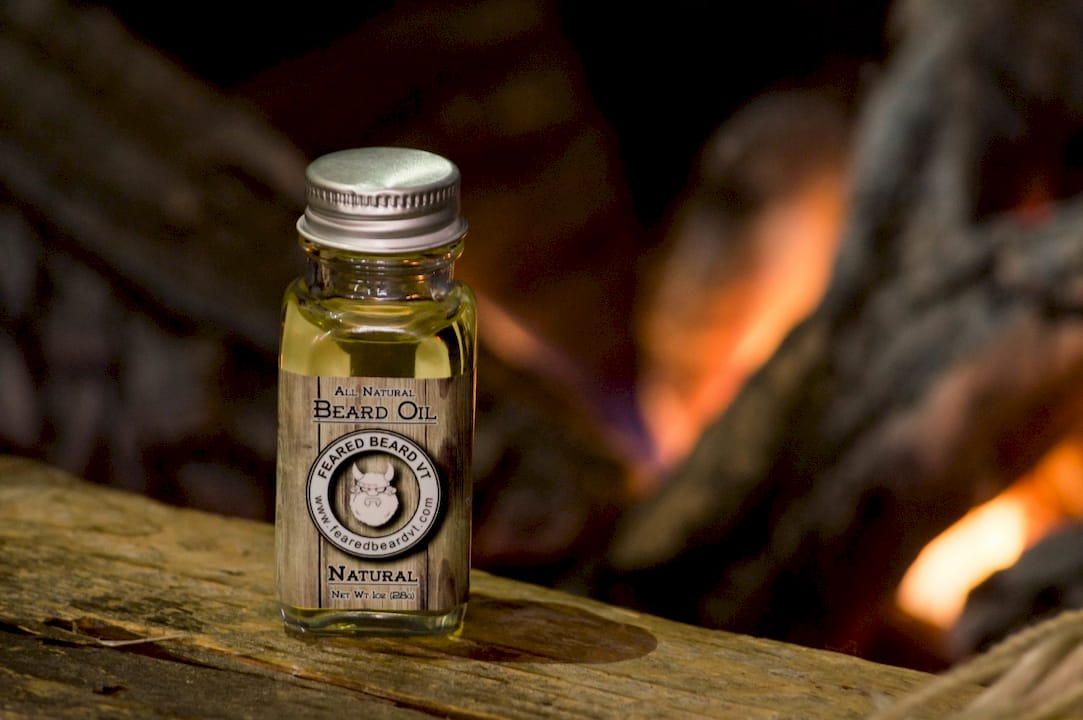
Pro Tip: Apply a lightweight beard oil right after your shave or exfoliation session, while skin is still slightly damp. It locks in moisture and creates a thin buffer that reduces the friction that pushes hair tips back into skin.
When It's Time to See a Doctor
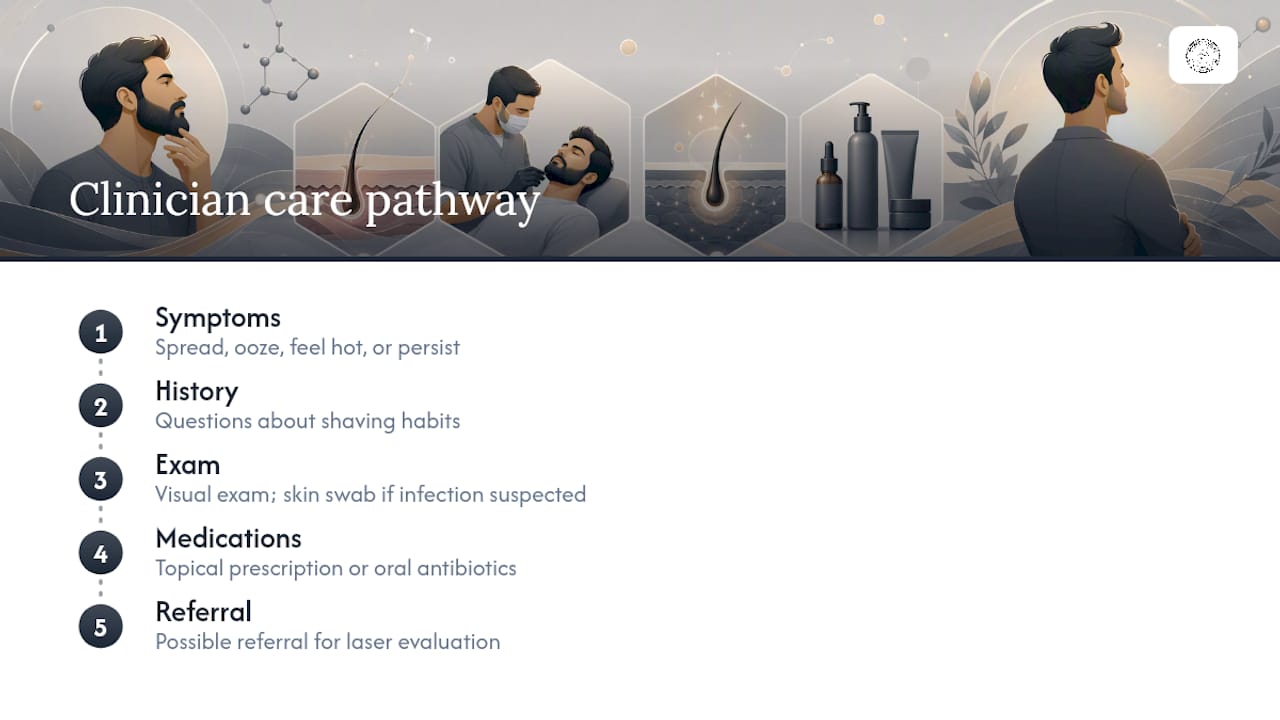
See a clinician if bumps spread, ooze, feel hot, or don't improve after several weeks of consistent home care. Expect questions about your shaving habits and a visual exam, sometimes with a skin swab if infection is suspected. Depending on severity, you may walk out with a topical prescription, oral antibiotics, or a referral for laser evaluation.
An Editorial Take on Grooming's Role in Prevention
Most guides treat beard care and medical treatment as separate worlds. They aren't. [Kyle, a grooming expert, notes,] Consistent moisturizing softens the hair shaft and reduces the friction that drags sharp tips back into skin, which makes gentle grooming a genuine ally to clinical care, not a replacement for it. [brand_signal] My advice: apply oil or balm right after your warm compress and exfoliation routine, while skin is calm and slightly damp, and let the two habits work together instead of treating them as separate chores.
— Kyle
Where Natural Beard Care Fits Into Prevention
Beard oils and balms won't cure an active ingrown hair, but a clean, natural formula can reduce the everyday friction and dryness that make bumps more likely to form in the first place. The balms and oils are made from small-batch, all-natural ingredients formulated to avoid synthetic fragrances or fillers that could irritate inflamed skin.

If your skin runs sensitive or reactive after shaving, the natural beard balm formulated for sensitive skin is a straightforward place to start, since it is built to moisturize without adding irritants to skin that is already working overtime to heal. Pair it with a lightweight oil from the beard oil collection after your warm compress routine, and give your grooming habits the same consistency you'd give a treatment plan. Browse the full lineup and find the scent and formula that fits your skin.
This article is general information, not a substitute for advice from a qualified doctor. Consult a qualified healthcare professional about your own circumstances before acting on anything here.
Sources
- Pseudofolliculitis barbae: a review (PMC6585396)
- Pseudofolliculitis barbae (DermNet NZ)
- Ingrown hair - Diagnosis and treatment - Mayo Clinic
- Ingrown Beard Hairs - Merck Manual
FAQ
Does HPV Look Like Ingrown Hairs?
No. HPV-related warts tend to be rough, raised, and persistent, without the trapped hair loop or the direct link to shaving that defines an ingrown hair. If a bump doesn't resolve with standard ingrown-hair care, see a clinician to rule out other causes.
Can You Squeeze Out an Ingrown Hair?
You shouldn't squeeze it like a pimple, since that pushes the curled hair deeper and can tear tissue. If a hair loop is clearly visible near the surface, gently lifting it free with a sterilized needle is safer than squeezing.
How Can I Tell if a Bump Is an Ingrown Hair?
Look for a small, tender papule that appeared shortly after shaving, often with a visible curled hair at its center. Spreading redness, heat, or pain beyond the bump itself points to infection instead, which needs medical care.
Do Ingrown Hairs Eventually Pop Out?
Many resolve on their own within days to a couple of weeks as the hair works its way to the surface, especially with warm compresses and gentle exfoliation. Chronic cases tied to repeated close shaving often need 4 to 6 weeks after stopping shaving before real improvement shows.